
Table of Contents
Did you feel the ground shake? A powerful Mexico earthquake has just dominated the headlines this morning, sending shockwaves through the southern coast and rattling buildings all the way to the capital. If you are planning a winter getaway or have family south of the border, you need the facts right now. This isn’t just a minor tremor; it was strong enough to interrupt President Claudia Sheinbaum’s first press conference of 2026!
Here is everything you need to know about the situation, the history of seismic activity in the region, and—most importantly—how to stay safe.
What Happened? The Jan 2, 2026 Mexico Earthquake Explained
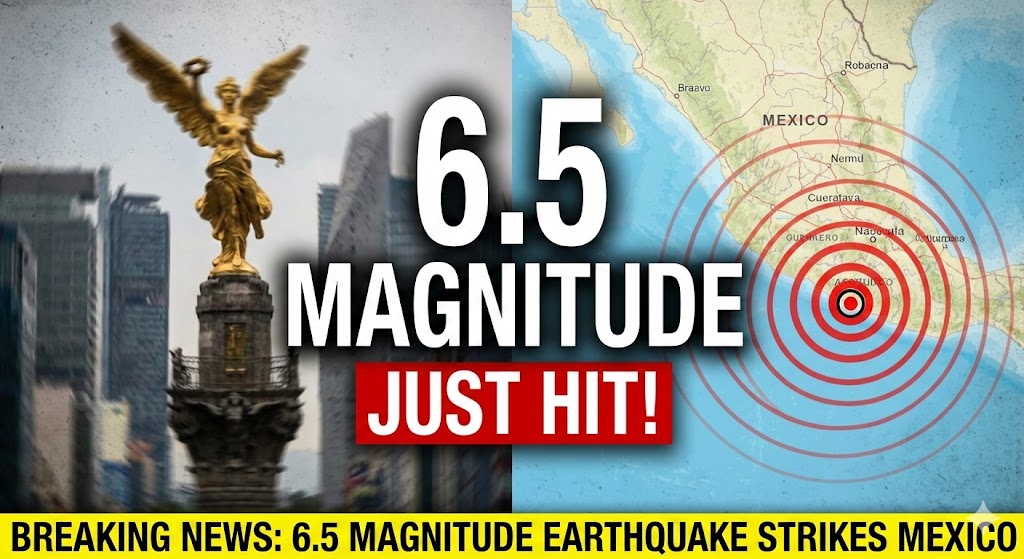
At approximately 1:58 PM GMT today, a Mexico earthquake with a preliminary magnitude of 6.5 struck the state of Guerrero. The epicenter was located near San Marcos, a town close to the famous Pacific resort city of Acapulco.
While 6.5 might sound like just a number, in geological terms, it is significant. The shaking was intense enough to trigger seismic alarms across Mexico City, hundreds of miles away. Thousands of residents and workers poured into the streets as buildings swayed. The most viral moment? The quake forced an abrupt evacuation during a high-profile government briefing, proving that nature waits for no one.
Key Details of the Event:
- Magnitude: 6.5 (Preliminary)
- Location: Guerrero, near Acapulco
- Depth: Shallow (~10 km), which often results in more intense shaking on the surface.
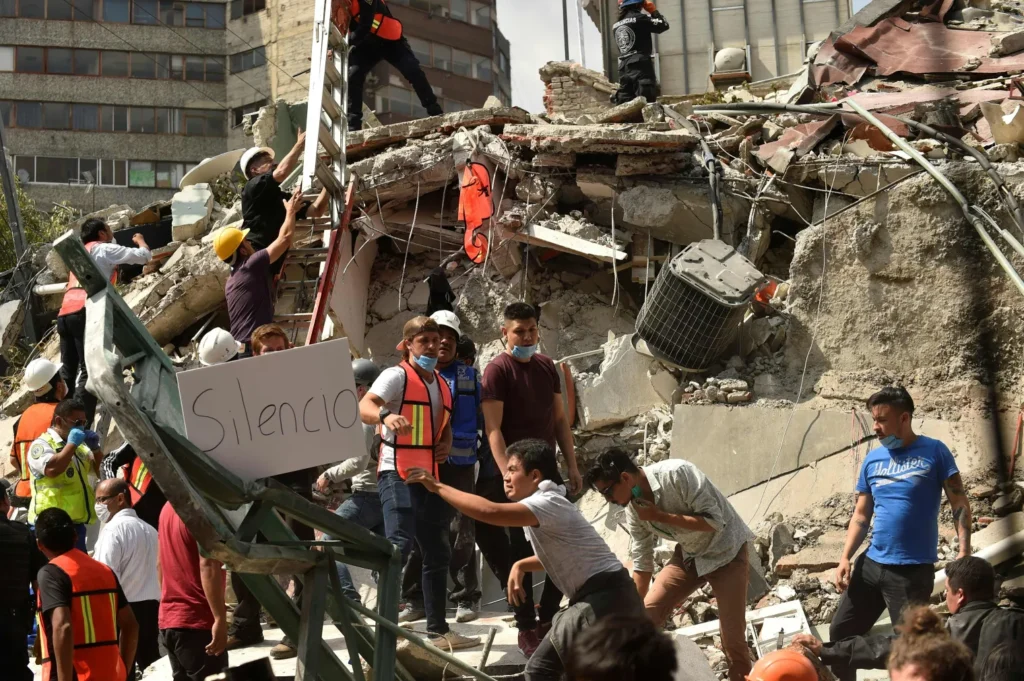
- Immediate Impact: Evacuations in Mexico City; no major casualties reported yet.
Comparison: How Does This Rank Against History?
Mexico is no stranger to seismic shifts. Situated atop three large tectonic plates—the North American, Cocos, and Pacific plates—it is one of the most seismically active regions on Earth. To give you context on today’s Mexico earthquake, let’s look at how it compares to the historical giants.
| Earthquake Event | Year | Magnitude | Impact Level | Key Detail |
| The “Great” Quake | 1985 | 8.1 | Catastrophic | Devastated Mexico City; changed building codes forever. |
| Puebla Quake | 2017 | 7.1 | Severe | Struck on the anniversary of the 1985 quake. |
| San Marcos Quake | 2026 | 6.5 | Moderate/High | Triggered massive evacuations; tested new safety protocols. |
Is It Safe to Travel to Mexico Right Now?
This is the #1 question we are getting from US travelers. The short answer: Yes, but proceed with caution.
The Mexico earthquake today was centered in Guerrero. If you are vacationing in areas like Cancun, Cabo San Lucas, or Puerto Vallarta, you likely didn’t feel a thing. These regions are geologically distinct from the shaking center. However, if you are headed to Mexico City, Acapulco, or Oaxaca, expect some aftershocks and temporary disruptions to utilities.
Traveler Safety Checklist:
- Download the App: Get the SkyAlert app for real-time seismic warnings.
- Check Your Hotel: Ask if your accommodation is “earthquake-proof” or retrofitted post-1985.
- Know Your Zone: Coastal areas (Pacific) are higher risk than the Caribbean side (Riviera Maya).
Survival Guide: What to Do When the Ground Shakes
Whether you are a local or a tourist, knowing how to react to a Mexico earthquake can save your life. Panic is your enemy; preparation is your best friend.
The “Drop, Cover, and Hold On” Rule:
- DROP to your hands and knees immediately. This prevents you from being knocked over.
- COVER your head and neck with your arms. If a sturdy table is nearby, crawl underneath it for shelter.
- HOLD ON to your shelter until the shaking stops.
Top Safety Tips for Tourists:
- Stay Inside: If you are indoors, stay there. Most injuries occur when people try to run outside and are hit by falling glass or debris.
- Avoid Elevators: Never use an elevator during a quake. If the power cuts, you are trapped.
- Spot the “Triangle of Life”: Look for spaces beside sturdy furniture (sofas, beds) that can protect you from potential collapses.
Pro Tip: Keep your passport and emergency cash in a “Go Bag” near the door of your hotel room. If you need to evacuate quickly due to aftershocks, you won’t be left stranded.
The Science: Why Does Mexico Shake So Much?
The primary culprit for today’s Mexico earthquake is the Cocos Plate. This tectonic plate is slowly sliding underneath the North American Plate (a process called subduction). This movement isn’t smooth; the plates get stuck, pressure builds up over years, and eventually, the rock snaps—releasing massive energy in the form of an earthquake.
Because Mexico City is built on an ancient lake bed, the soil is soft. This acts like a bowl of jelly, amplifying the shockwaves coming from the coast. That is why a quake in Acapulco can feel so terrifying in the capital.
Final Thoughts
Today’s 6.5 magnitude event serves as a loud wake-up call. While the damage seems minimal so far, it is a reminder that the earth beneath us is alive. If you are in the region, stay vigilant for aftershocks. If you are watching from the US, send good vibes to our neighbors!
Stay safe, travel smart, and keep your eyes on the news.
Travel Insurance for Mexico at rozanareads.com
Visit the USGS Official Earthquake Map for real-time updates